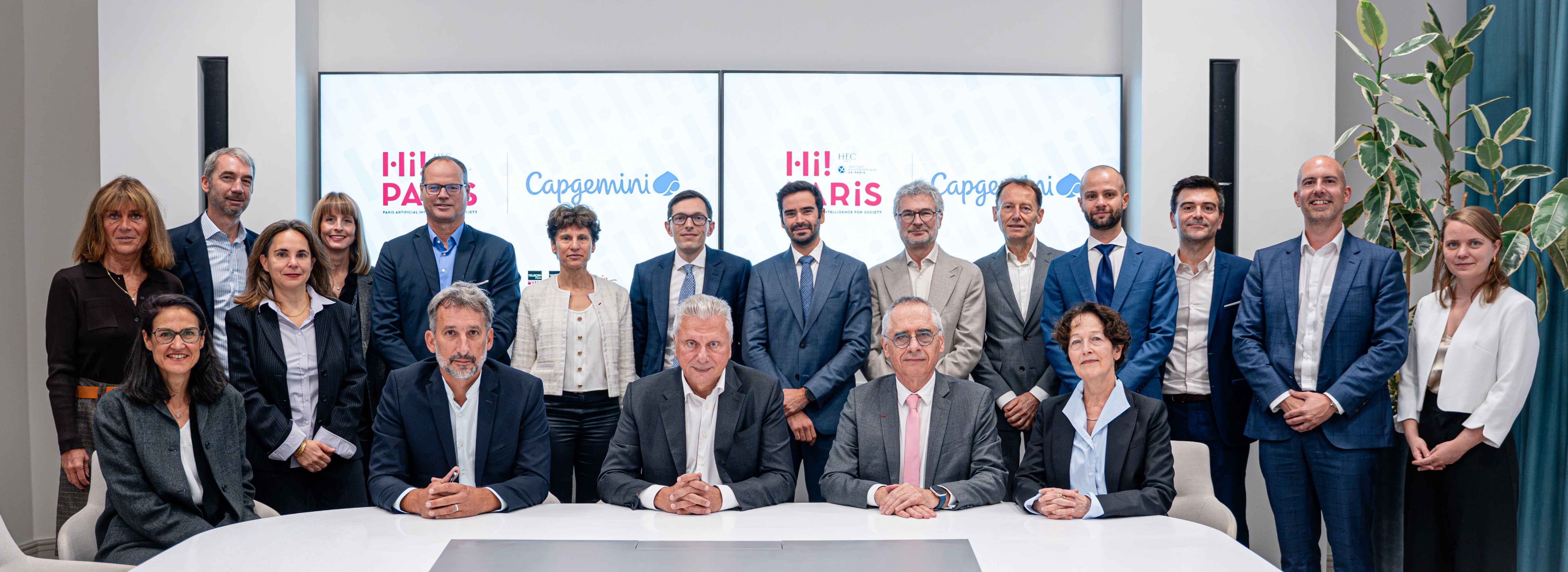
Capgemini, a founding corporate donor of Hi! PARIS since 2020, has renewed its commitment to the center for another three years. This renewal will support two new research programs focused […]
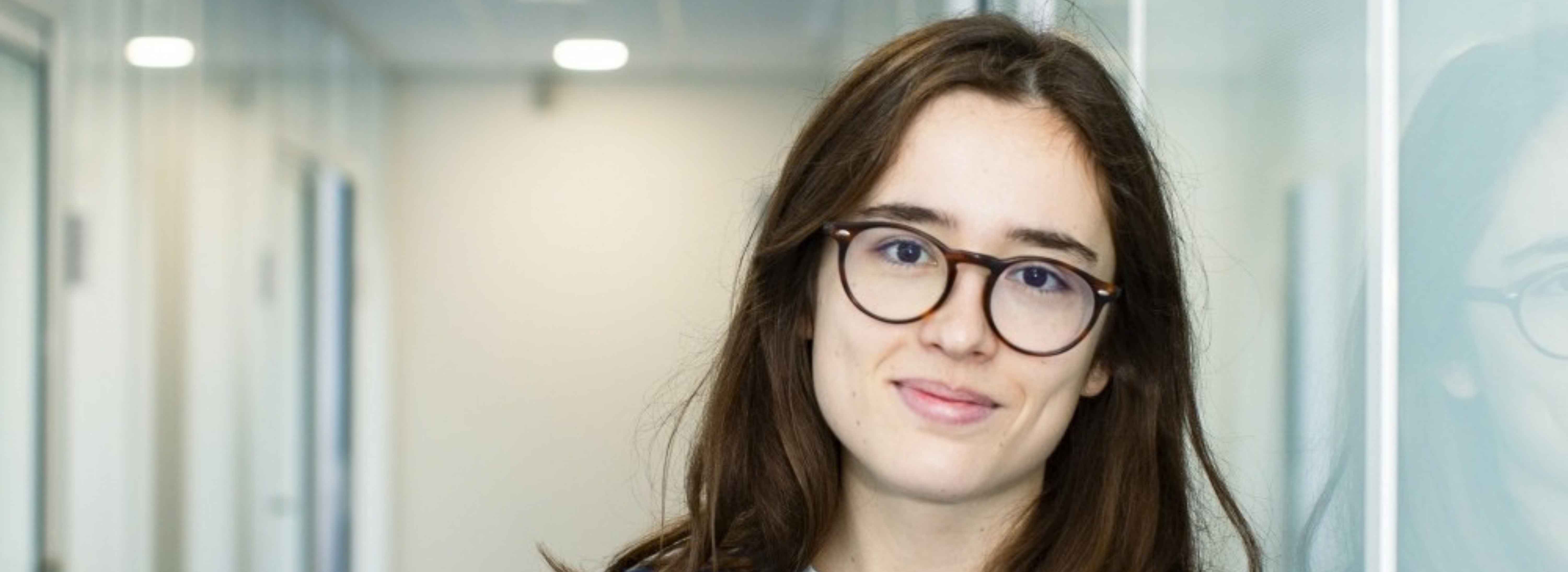
Hi! PARIS PhD student Sonia Mazelet has received the 2026 L’Oréal-UNESCO For Women in Science France Young Talents Award for her research applying artificial intelligence to the analysis of complex brain data.
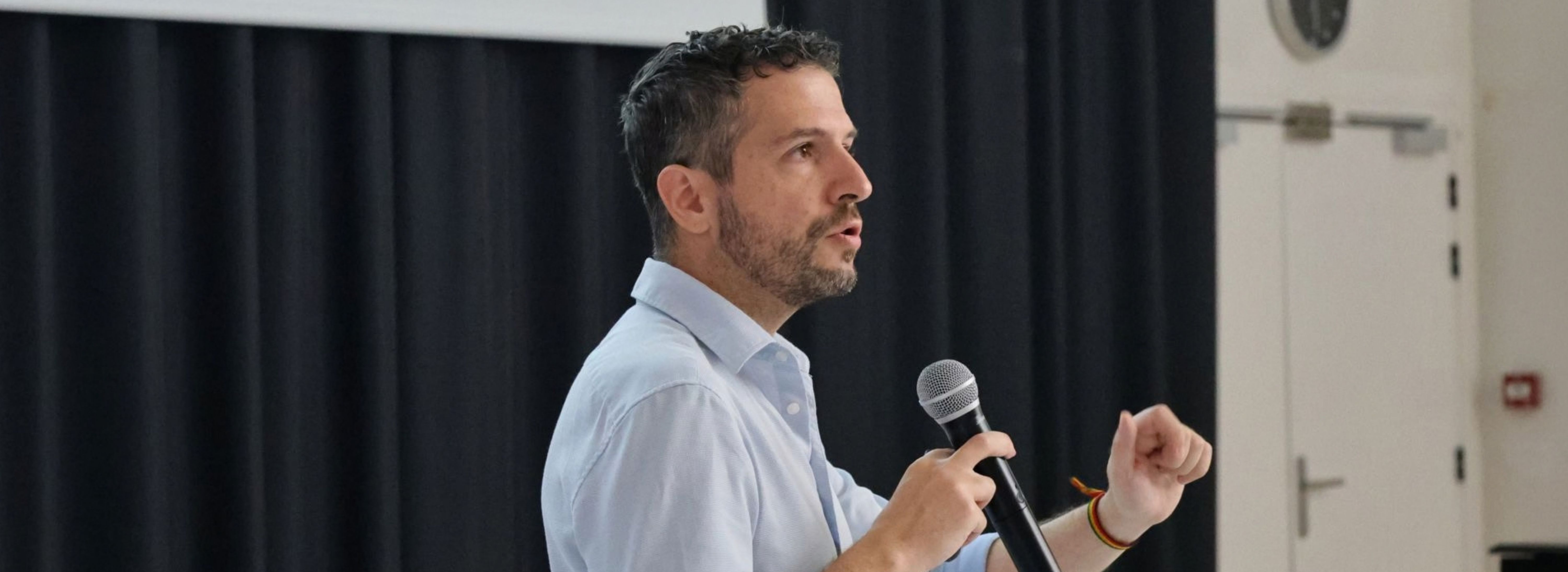
AI systems are usually trained to optimize a goal. Accuracy. Reward. Performance. But Luiz Chamon argues that trustworthy AI requires something more explicit: requirements that define, from the beginning, what a system must also satisfy, from robustness and fairness to safety and prior knowledge. Luiz ChamonAssistant Professor and Hi! PARIS Chair Holder, École polytechnique (Institut Polytechnique de […]
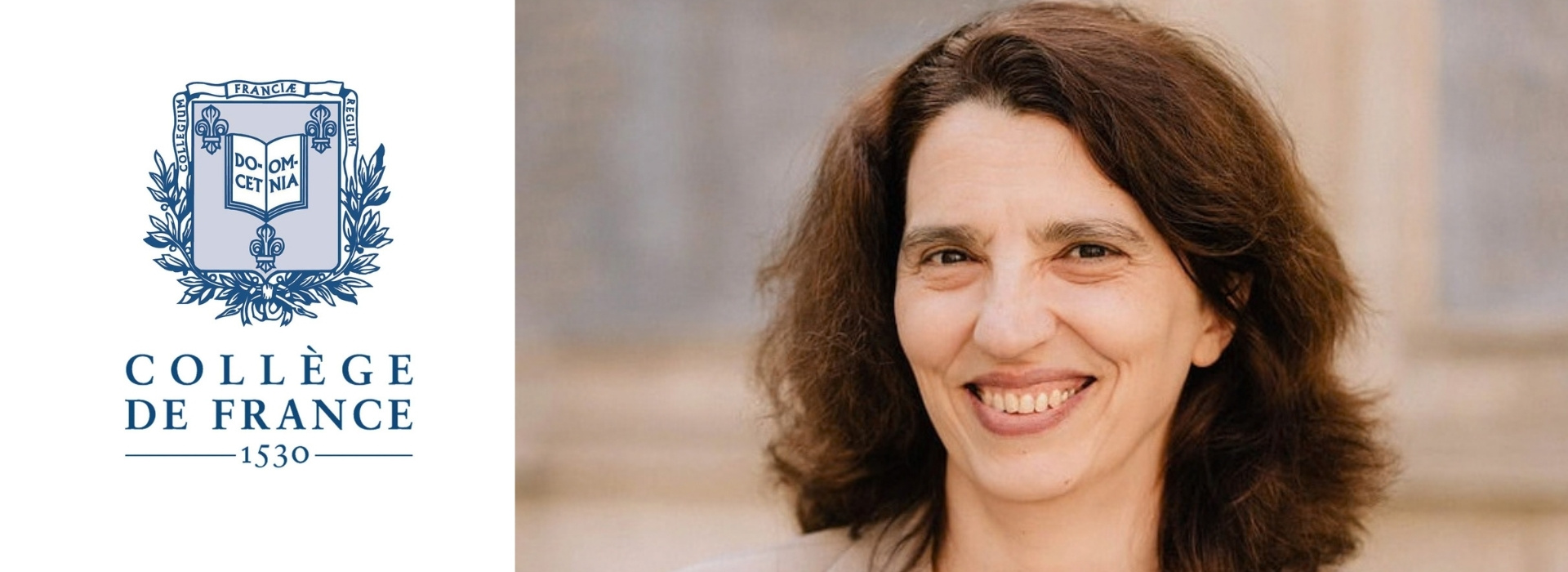
We are pleased to highlight the appointment of Ioana Manolescu, Hi! PARIS Fellow and member of the Hi! PARIS Scientific Committee, to the prestigious Annual Chair in Computer Sciences and […]
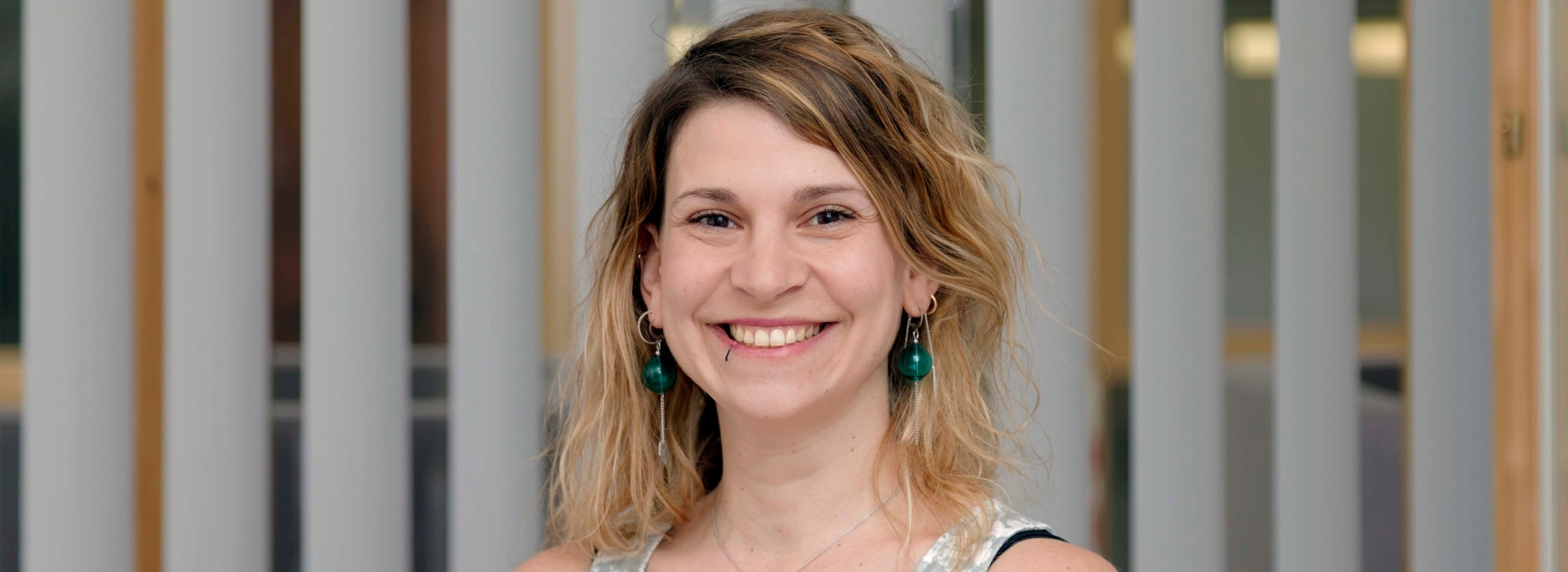
We are pleased to highlight that Vicky Kalogeiton, researcher at the Computer Science Laboratory (LIX) at École Polytechnique, and a Hi! PARIS Fellow, has been awarded a prestigious European Research […]
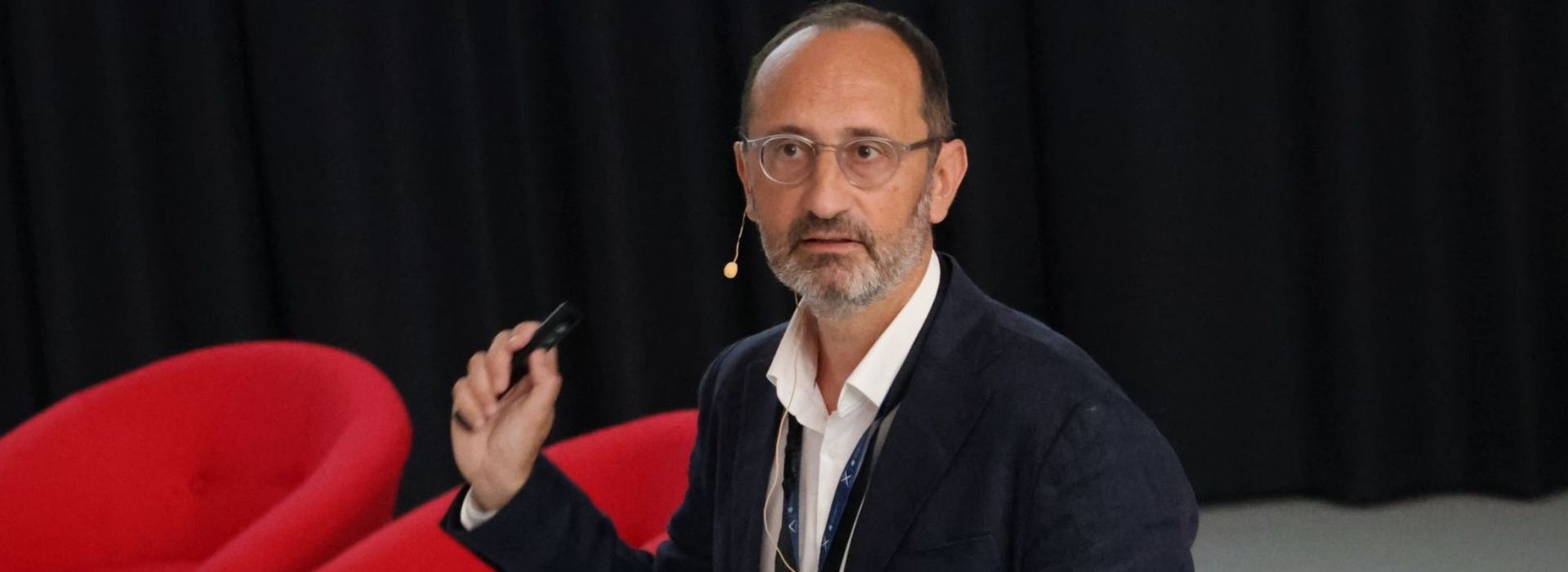
Explainable AI promises to make black-box models easier to understand. But Gustau Camps-Valls argues that, in science, an explanation of a model can easily be mistaken for an explanation of the world itself. His alternative starts with a deceptively simple principle: think first, act second, model last. Gustau Camps-VallsProfessor in Electrical Engineering, Universitat de ValènciaHi! PARIS International Visiting […]
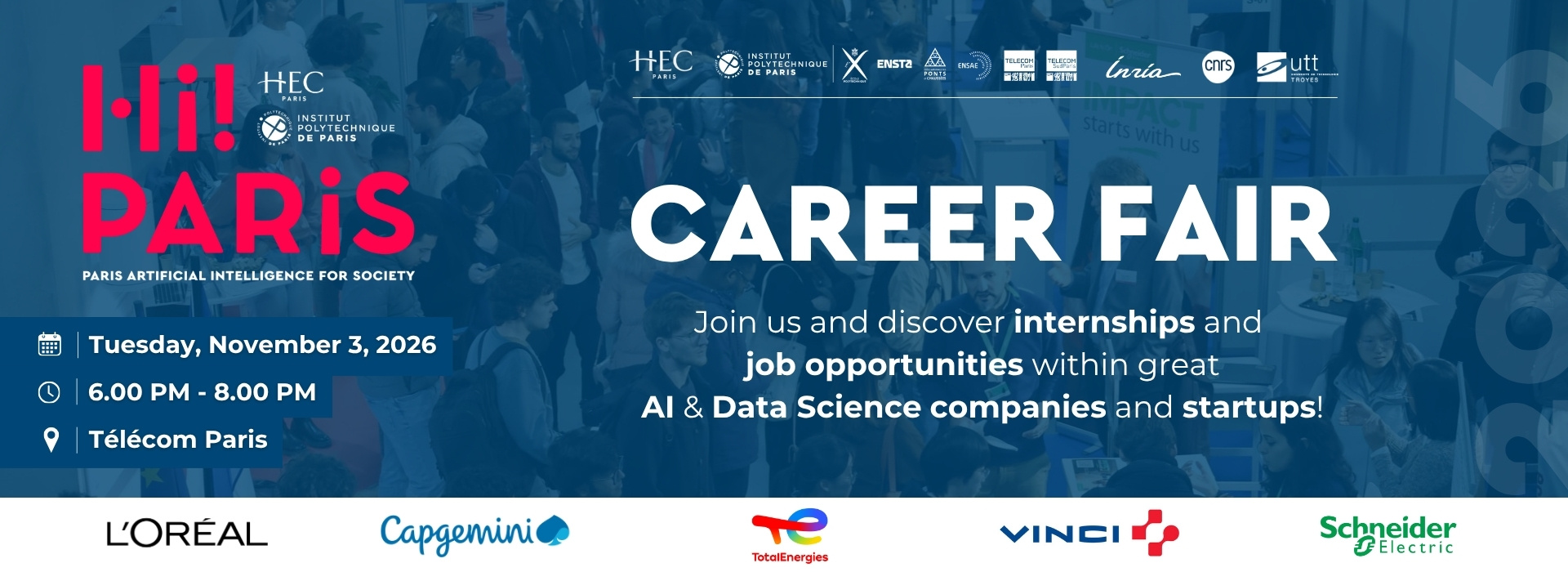
We are delighted to announce the Hi! PARIS’s annual career fair. Hi! PARIS wishes to offer students at all levels, including PhD candidates, an occasion to discover internships and job […]
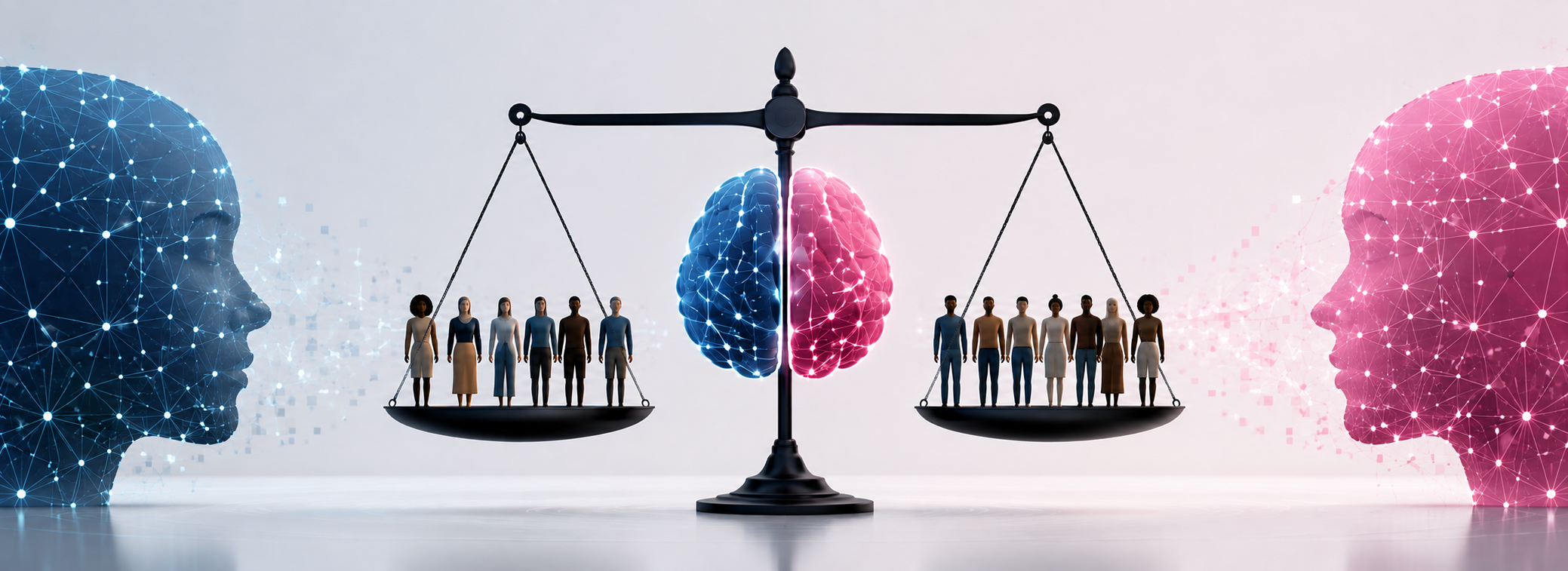
The Hi! PARIS reading groups propose to study a topic using scientific articles on a theoretical and a practical point of view. The reading groups are opportunities of interaction between […]

We are proud to highlight the strong presence of Hi! PARIS researchers at ICML 2026, one of the world’s leading conferences in machine learning. This year, 42 papers involving Hi! PARIS […]
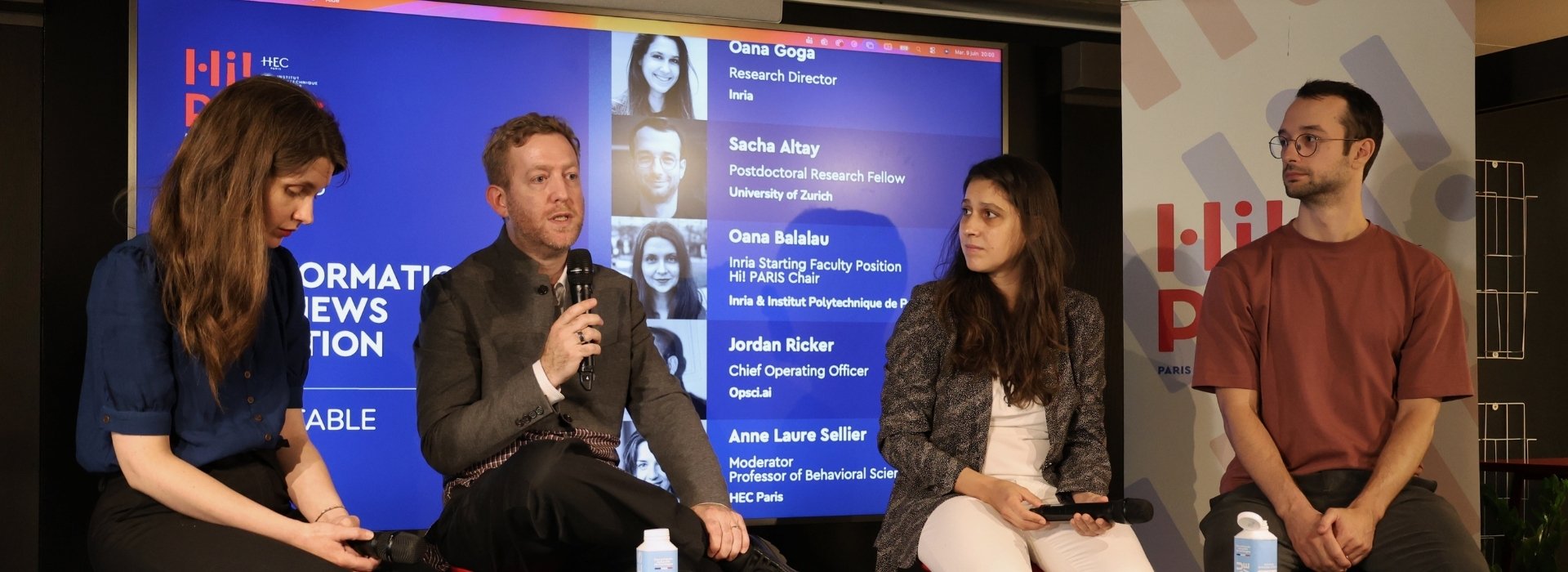
AI has made fake news easier to produce, but the deeper threat may lie elsewhere. Based on a Hi! PARIS Meet Up on AI and disinformation, this article explores how false content, emotional narratives, platform incentives, and declining trust interact to shape the future of public debate.